
Do not trust perfection
Ultra-clean skin, flawless symmetry, and empty backgrounds are worth a second look.
Detection playbook
A practical guide on how to detect AI generated images, plus a free tool you can run immediately.
Detection playbook
Upload a photo and get an AI likelihood score in seconds. No signup.
Drop an image here, or click to upload
PNG, JPEG, or WebP. Paste works too.
Upload an image on the left. Results will show AI likelihood and supporting signals here.
This guide explains how to detect AI generated images with both human review habits and an automated checker.
Ultra-clean skin, flawless symmetry, and empty backgrounds are worth a second look.
Garbled lettering inside scenes is still a frequent generative failure.
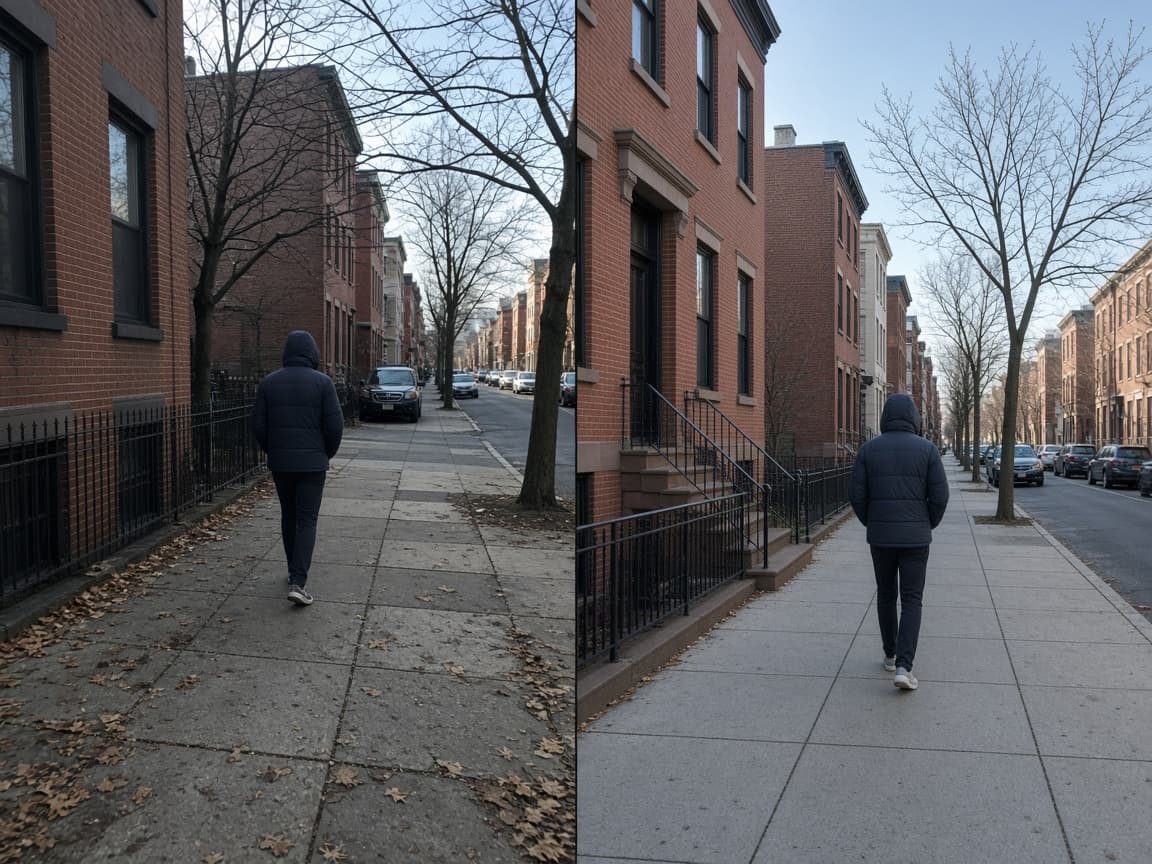
If multiple crops circulate, check whether details morph between copies.
Context plus an automated check beats either method alone when you detect AI generated images.
Knowing how to detect AI generated images helps you avoid scams, bad listings, and misleading posts. Generative models now produce faces, products, and landscapes that look credible at a glance, so a repeatable process matters more than gut feel alone.
The best approach combines three layers: source verification, visual inspection, and an automated checker. Each layer catches failures the others miss. That is why this page teaches how to detect AI generated images as a workflow, not a single trick.
After you learn the steps, use the upload tool on AImageChecker to practice. A free option makes the final pass faster when you are still unsure.
Request originals, camera files, or Content Credentials when available before you trust a viral image.
Check hands, text, jewelry, backgrounds, and lighting for inconsistencies common in synthetic media.
Upload the file to AImageChecker for an AI likelihood score that supports your manual review.

Ultra-clean skin, flawless symmetry, and empty backgrounds are worth a second look.
Garbled lettering inside scenes is still a frequent generative failure.
If multiple crops circulate, check whether details morph between copies.
Context plus an automated check beats either method alone when you detect AI generated images.

Common questions about using an AI image checker for photos, art, and synthetic media.
Start with source checks, scan for visual inconsistencies, then run a free tool for a scored second opinion.
No. Newer models reduce obvious artifacts, which is why automated tools remain useful.
No. Reverse search finds known copies. An automated check estimates synthetic origin even for unseen files.
Yes. A short verification workflow reduces the risk of publishing synthetic media as fact.
The best defense against synthetic media is a repeatable process. Start with source verification: ask for originals, check metadata, and look for Content Credentials when available.
Next, inspect the image visually. Look for inconsistencies in hands, text, jewelry, and backgrounds. Generative models often struggle with fine details and physical plausibility.
Finally, run the file through an automated tool for a scored second opinion. Combine all three layers for the most reliable result. No single method is perfect, but together they catch most synthetic content.